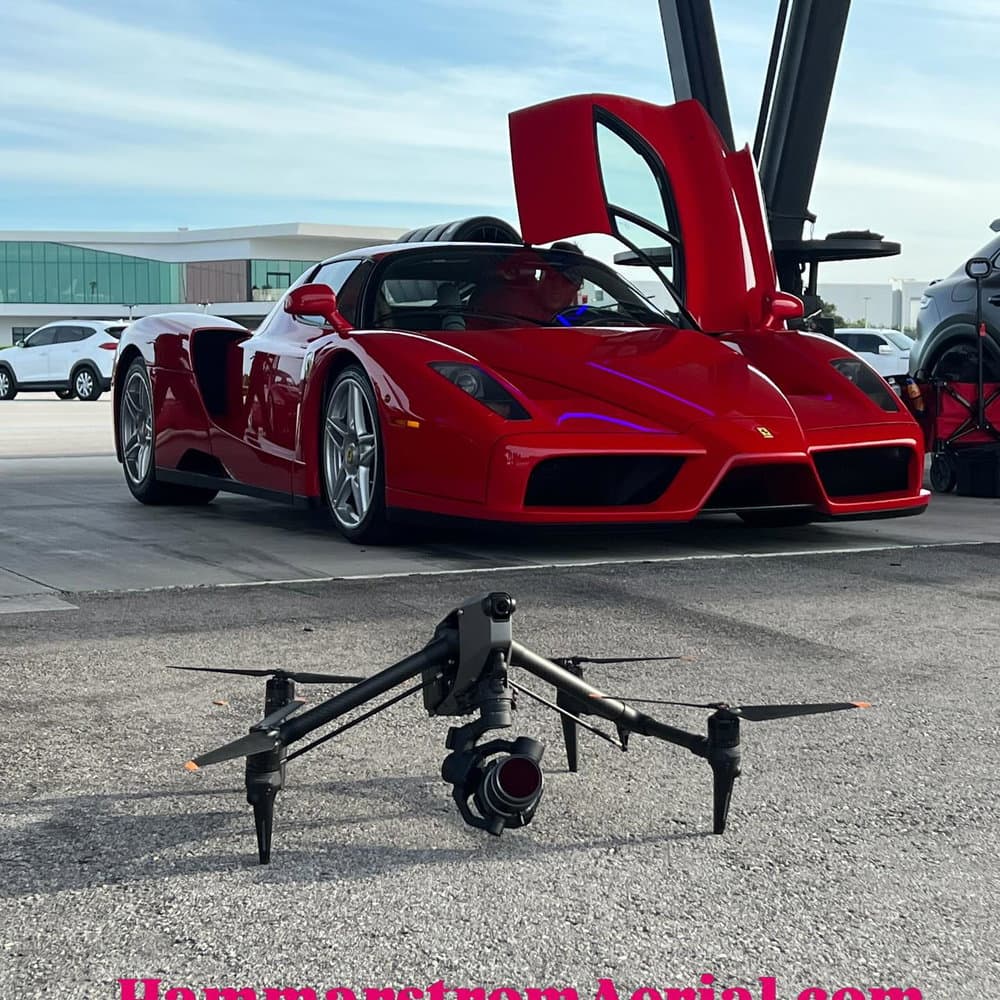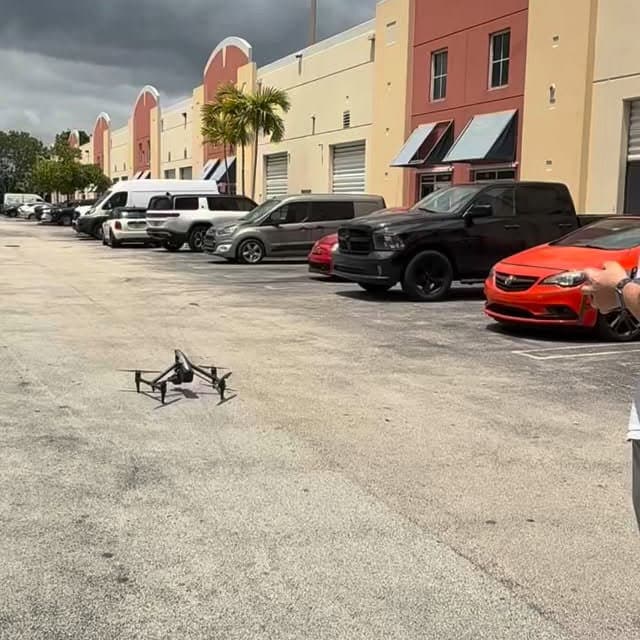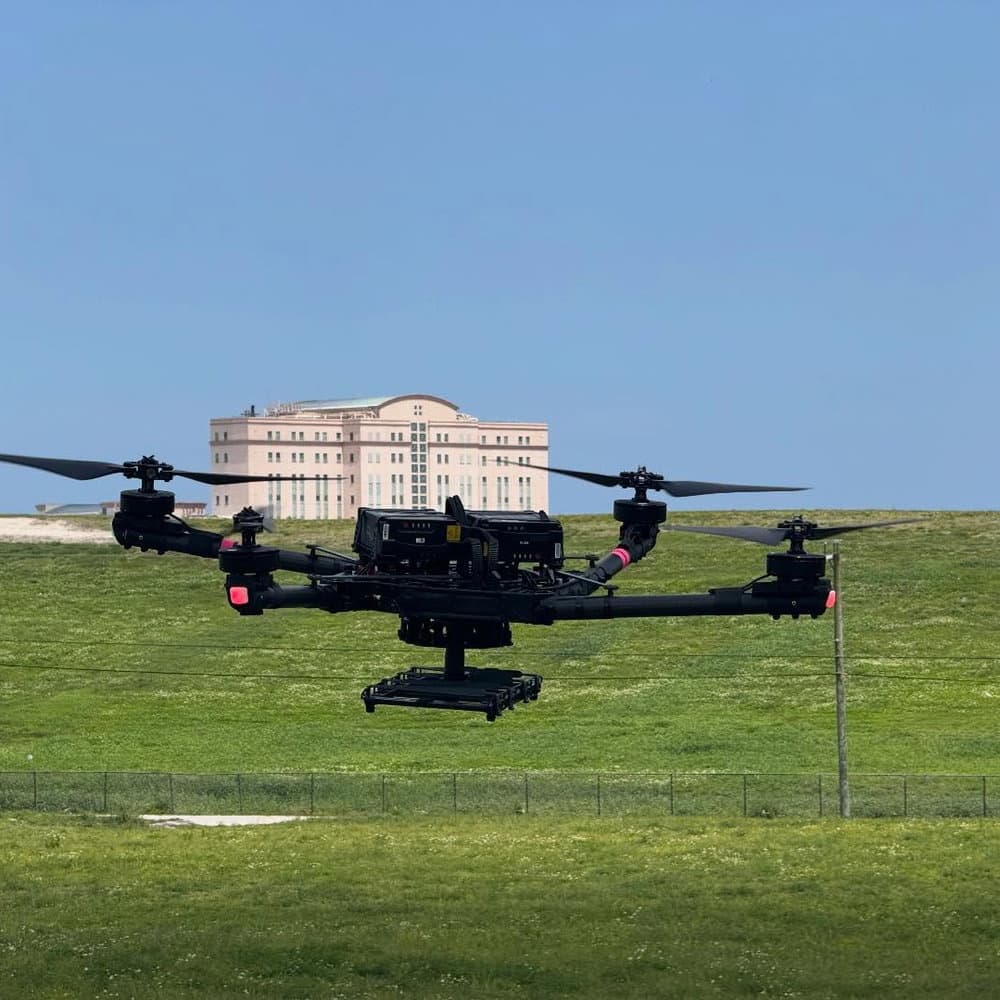
Having fun on the field — big drones, FPV, and the training that keeps a fleet shoot-ready.
The best aerial units aren't just well-equipped — they're well-drilled. This was a day on the field putting the team through the full range of the fleet, with Marcus Möller taking the crew through the big heavy-lift rigs and Johannes Hegner later on the FPV kits.
Training days aren't downtime; they're the reason a shoot day goes smoothly. Here's why we keep flying between jobs.
Two very different flying disciplines
Heavy-lift and FPV sit at opposite ends of the aerial spectrum. Heavy-lift drones like our Freefly Alta X carry full cinema cameras and demand smooth, precise, deliberate flying and tight crew coordination. FPV is the opposite energy — fast, manual, immersive, flown through goggles at speed.
A crew that's fluent in both can bring the right tool to any brief, and switch between them on the same day. That range only comes from putting hours in on the field, not just on the shoot.
Why ongoing training matters
Gear changes, batteries age, firmware updates, and new pilots join. Regular training keeps muscle memory sharp, surfaces problems on the field instead of on set, and lets us rehearse the difficult moves before a client is watching the clock.
It's also how we keep our safety record clean. Every hour flown in training is an hour of margin on a live production.
Frequently asked
- What is a heavy-lift drone used for?
- A heavy-lift drone carries full-size cinema cameras and lenses (and rigs like aerial lighting) that lighter drones can't. It's used when a production needs the image quality of a large-sensor cinema camera captured from the air.
- Why does drone crew training matter for a shoot?
- Ongoing training keeps pilots current across different aircraft, catches equipment issues before a shoot, and lets the crew rehearse complex moves in advance — which means faster, safer, more reliable shoot days for clients.
Originally shared on Instagram.